
Black Metal at the End of the World: An Interview with Chile's Ecologist
Ecologist's harsh Chilean black metal is a tribute to the melting glaciers of Patagonia. "Many black metal bands talk about nature but very few about its disappearance..."

I owe you an apology, my friends. It has been quite some time since I published a new missive here on Salvo, and that kind of gap is fairly inexcusable for a one-woman show. I've been working on a new book and doing a lot of reporting, and this—my heavy metal baby—got pushed to the back burner. I'm going to plan a whole fancy relaunch at some point, but for now, I'm going to keep publishing as frequently as I can. Thanks for sticking with me.
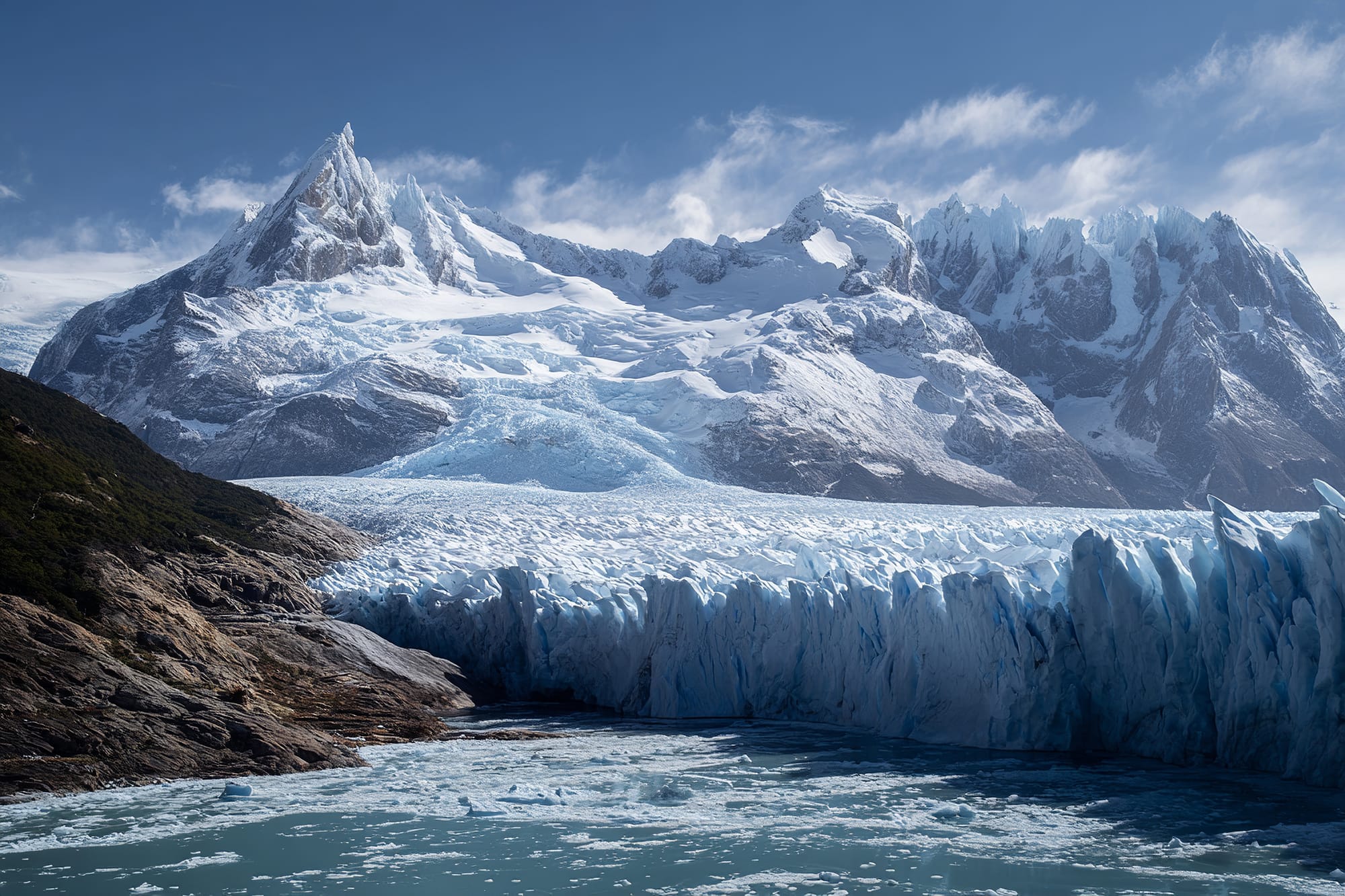
That said, I did this interview with Ecologist last year. Yes, it's taken me this long to get it ready for your inboxes (embarrassing!) but I do hope you agree that it's worth it. I've long been fascinated by the Arctic and Antarctic regions, and one does not get very far into that particular hyper-fixation without reading a whole lot about Chile—specifically, its windswept, mountainous southern region, Patagonia. That is where Chile hides her glaciers, those mammoth blue sheets of ice that cool its craggy shores and dress its peaks in snowy white. At its furthest tip, in the icy archipelago of Tierra del Fuego, the world ends and the Antarctic begins.
 𝕽𝖔𝖓𝖓𝖎𝖊 𝕿𝖍𝖊 𝕳𝖔𝖗𝖓𝖊𝖉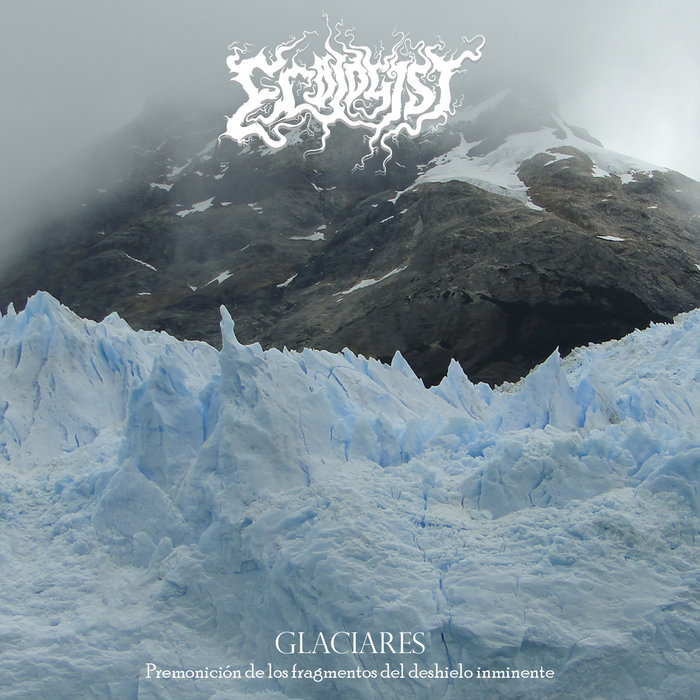
Ecologist is an atmospheric black metal project from Chilean multi-instrumentalist Vicente Norambuena, who is based in Santiago but has long trained his attention on the south. As he says, "many black metal bands talk about nature but very few about its disappearance," and his buzzsaw meditation on the melting glaciers of Chile is an outlier in a world where even the most frostbitten kingdoms are quickly disappearing. His latest EP, 2024's Glaciares: Premonición de los fragmentos del deshielo inminente, warns us of what will happen when these majestic ice giants follow their Arctic brethren into oblivion. (It won't be good).
Norambuena was kind enough to answer several of my excessively nerdy questions over email, and the resulting conversation touches on all kinds of things—climate change, of course, but also the joys of single-person "bands" and the futility of hope in a world on fire.
SALVO: For those who are unfamiliar with the band, how did you develop the idea of Ecologist?
V: Ecologist was born for the need to manifest my compositions inspired in the contemplation of nature and the sadness that produces to see it vanishing through time. Initially, I considered to make two separate projects with different musical influences, one focusing on the contemplation of nature and another on its destruction. Finally, I decided that I would cover everything of it on Ecologist, not limiting myself to anything in particular related to nature.
You have a lot of other projects, both current and defunct; can you tell me about your creative process works? How do you find so much time to create new music, and why do you generally prefer to act alone?
Most of my project started when I was 14-15 years old, being most of them of noise and ambient. When I was at school, I found the joy in releasing music through various small underground labels. Most of my work was improvised and with low effort and quality.
My projects began more serious in the bands that I played drums and others where I played all the instruments. My form of composing is very intuitive, as I compose on the go with guitar and my zero understanding of music theory, excepting percussion theory, as drums are my main instrument and the only I learned formally. I learned guitar by playing songs I like, so in the end, my way to compose was to structure the song and the riffs and chords I chose where mostly taken from the ones I’ve learnt and inventing other similar figures, not discriminating if they were melodic or not.
I wish I had more time to compose more. I have many bands and projects, but time is the main limitation to produce something more frequently. So, my pipeline remains very long since a long time and the challenge is to release them in a coordinated way, trying not to let them wait years.
I don’t have any preference in playing alone or with band, as both have its good and bad sides. The freedom to compose alone is very nice but it has a lot of responsibilities and the weight of making all the decisions, which can be overwhelming when I’m not totally convinced in something. Bands tend to support each other better in these things and creativity might flow better depending on who you’re working with, because there can be moments of lack of consensus and creative discrepancies, which can be frequent when people disagree a lot with each other.
Even the act of “supporting each other” can get disbalanced, where a specific member gets to take more weight in the initiatives or responsibilities of the bands. I have the luck I found members which I get a long very well where, even when we don’t always support each other evenly, there always remains a sense of interest on the project to work.
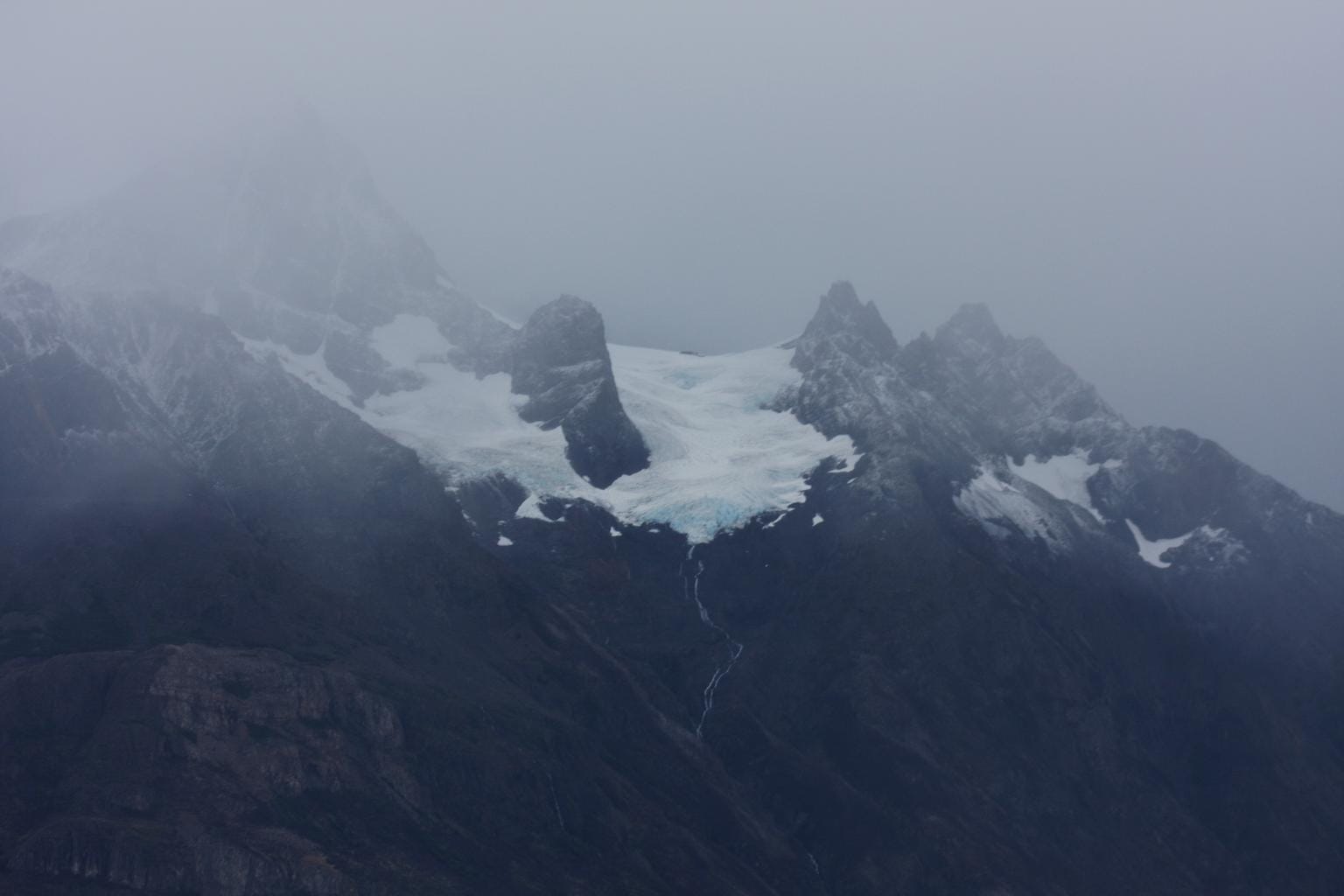
Ecologist caught my eye for a number of reasons, but the band name and album art really stood out. It is not unusual for a black metal project to talk about nature, but Ecologist takes it to another level. How did you become interested in environmentalism and the climate crisis?
I agree, many black metal bands talk about nature but very few about its disappearance. My vision is more spiritual and focused on my feelings towards the complexity of nature, such as phenomenon of global warming, biodiversity loss and environmental pollution, which are very specific topics that affect it.
In Ecologist, I try to express the depressive feeling of watching the nature be destroyed as the joy of admiring it. The music expresses my anger, sadness and nostalgia of seeing the deterioration of places that were important to me, as well as the impotence of seeing animals and people being displaced of its environment and face a threatful fate thanks to climate change vulnerability.
These themes have been of my interest since I was a kid, and I’ve always wanted to help it in a way. Living in a country so vulnerable to climate change events also induced me into take mayor consciousness of these topics.
 Jack
Jack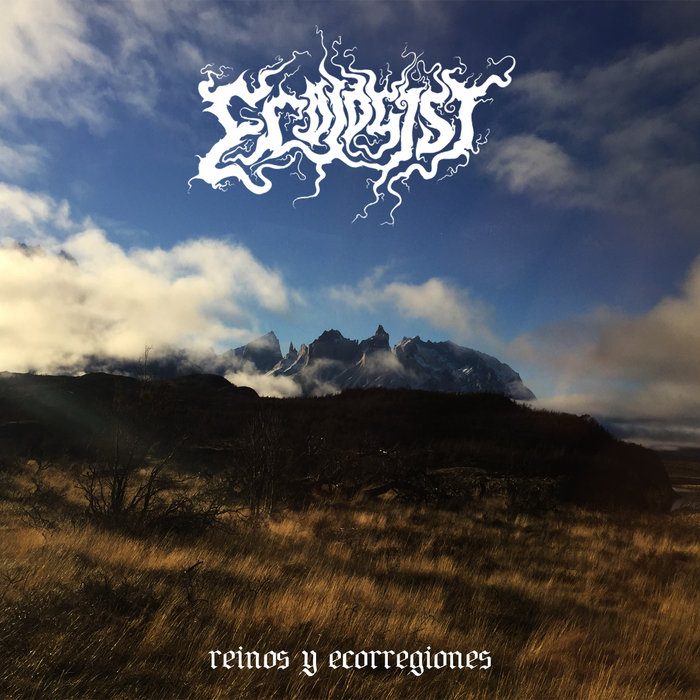
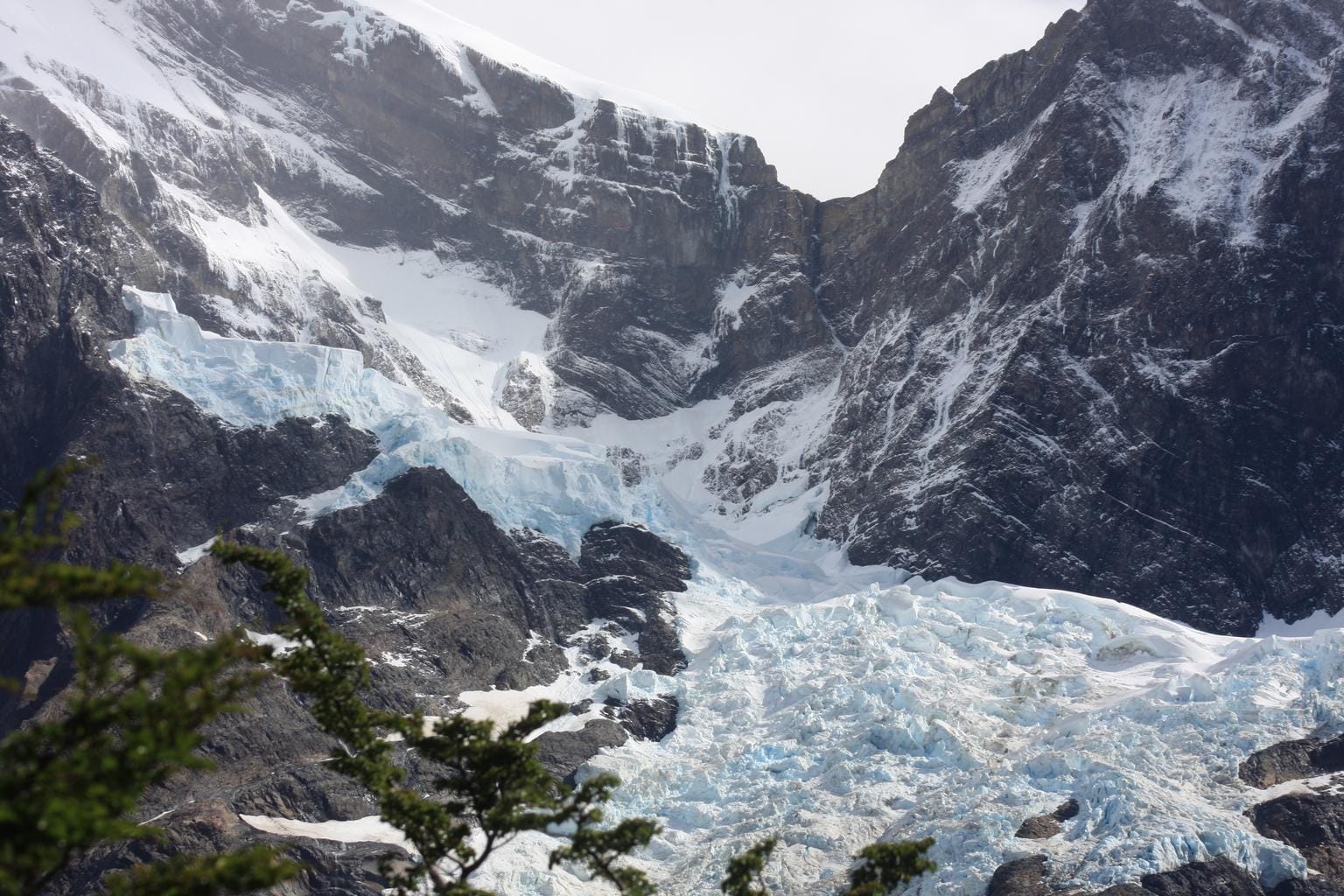
Let's talk about glaciers. For those who assume South America is all about heat, hearing about Chile's enormous icebergs and sheets of ice may come as a surprise—as is the fact that they are rapidly melting. Why did you decide to focus specifically on this subject in Glaciares: Premonición de los fragmentos del deshielo inminente?
The idea came long ago when I was reading a column of the risks of ancient viruses reappearing because of the melting of glaciers, so I learned more about the glaciers in general. The non-profit organization “Fundación Glaciares Chilenos” has a lot of resources explaining the risks and deterioration that the Chilean glaciers had because of global warming and the direct impact of the mining industry in them, which being the most prominent percentage of the country’s GDP, also is one of the main causes of the deterioration of glaciers.
Glaciers are fundamental in the water cycle, so the impact is way broader than lack of biodiversity, as it affects our main source of living, thus making the solutions to this way more expensive to any person, as the ones that are already exploring in my country with desalinated water. The future with the deterioration of the glaciers is very desolating and specially in countries like mine where those risks are greater.
If and when Chile's glaciers do disappear for good, what kind of impact will that have on the world?
They’re very diverse, as I mentioned before, which being the lack of water supply, is one of the most direct for us, but the impact in the loss of biodiversity is huge. Humans “benefit” directly with the existence of biodiversity and replacing any part of the role that “serves” in our existence is extremely expensive if not impossible. Flora and fauna can disappear and thus any conception of our life can.
There have been many organizations that have tried to estimate the impact in the supply of water and other environmental measures, but none can estimate the social impact that can create the disturbance of water cycles. One can only expect migrations, social unrest and even people dying…
What steps is the Chilean government taking to fight climate change and preserve the country's precious ecology? How does that fit into the broader South American political landscape? (I'm thinking of Lula and the Amazon, for example, or the havoc that Argentina's new president is trying to unleash)
Chile has tried to do many things but most of them aren’t enough to mitigate the actual impact that the global warming and the mining industry is creating. Unfortunately, I am not hopeful of any positive changes in my country. I expect that some cities stop having water supply before any impactful law on glacier protection appears.
In Chile we have laws that intend to protect water and biodiversity, and there are also private initiatives that intend to generate awareness and a sense of responsibility in the impact and use of it. And maybe they are very good compared to other South American countries, but still, risks in Chile are way greater for our preexisting risks, so they seem a bit unhelpful for the gravity I perceive.
Ecologist's sound is harsh; the varied textures and melodic moments cut through the droning fuzz, and your vocals rattle and roar like long-buried ghosts. What kind of mood or message were you hoping to capture on this EP? What do you hope listeners take away from it—and is there any hope to be found?
My intention is not to give hope to anyone, but the opposite—by creating consciousness on climate change, as it is something that humanity will face with pain and suffering, especially for poorer and vulnerable countries.
I feel a bit sceptical in the ability of capitalist nations to transition to low carbon and biodiversity friendly societies, as I don’t believe that the economic system is sustainable for those purposes, so I believe humanity will see the lack of resources and nature in the future, which is profoundly sad to me as it is something I appreciate so much. There’s nothing I feel hope about with the music I’m creating more than expressing my sadness and rage for it.
What comes next for Ecologist? Can you recommend some other like-minded artists for us to check out?
I am conscious that I’ve been unproductive lately with my music, but I plan to finish my next album this year and, hopefully, release it too. I’ve been busy in other projects too, such as my labour with my band Kexelür, where I play drums, as we’ve released our first full length album, Epigrama de un pasado perdido, in 2025.
Artists that share the same vision as me are many and I like a bunch of them, but I must say that Kataayra is the main driver for what I’ve done lately. My main inspirations for composing are more varied though, such as Damian Ojeda’s projects like Life and Sadness, and many other modern takes of black metal that I’ve listened these years. I would love to recommend directly the music of my friends Fatalyst and Téleos, which both have albums that are truly an inspiration to me.
+
Stream and purchase Ecologist's latest EP from Fiadh Productions, and subscribe to Salvo for more apocalyptic black metal blogs!